Applications

What goes in the bottle decides the cap.

Buyers rarely start with a model number. They start with a bottle and a product. These are the five applications we tool for, and what each one actually demands of a closure.

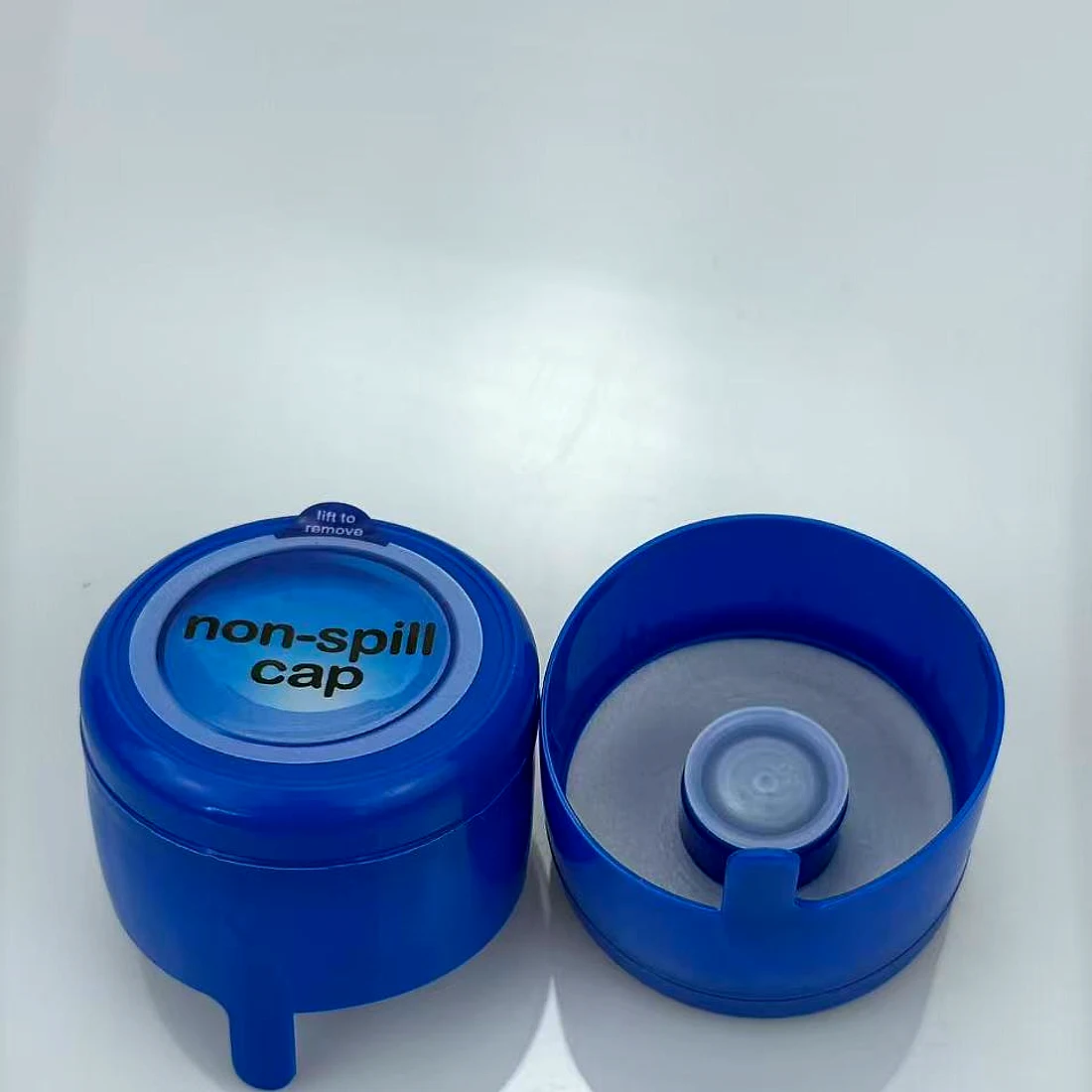
Blue non-spill cap for a 5-gallon water barrel, shown open and closed

Bottled & barrelled water

Typical hazards: Return-and-refill barrels, long warehouse storage, dispenser compatibility

The two failures that matter here are a tamper ring that will not break cleanly and a cap that seeps once pallets are stacked three high. Barrel necks in 45 mm and 55 mm, with matching carry handles and a self-sealing non-spill option for dispensers.

  • 45 / 55 mm necks
  • Tamper-evident ring
  • Non-spill valve
  • Matching handle
See matching models
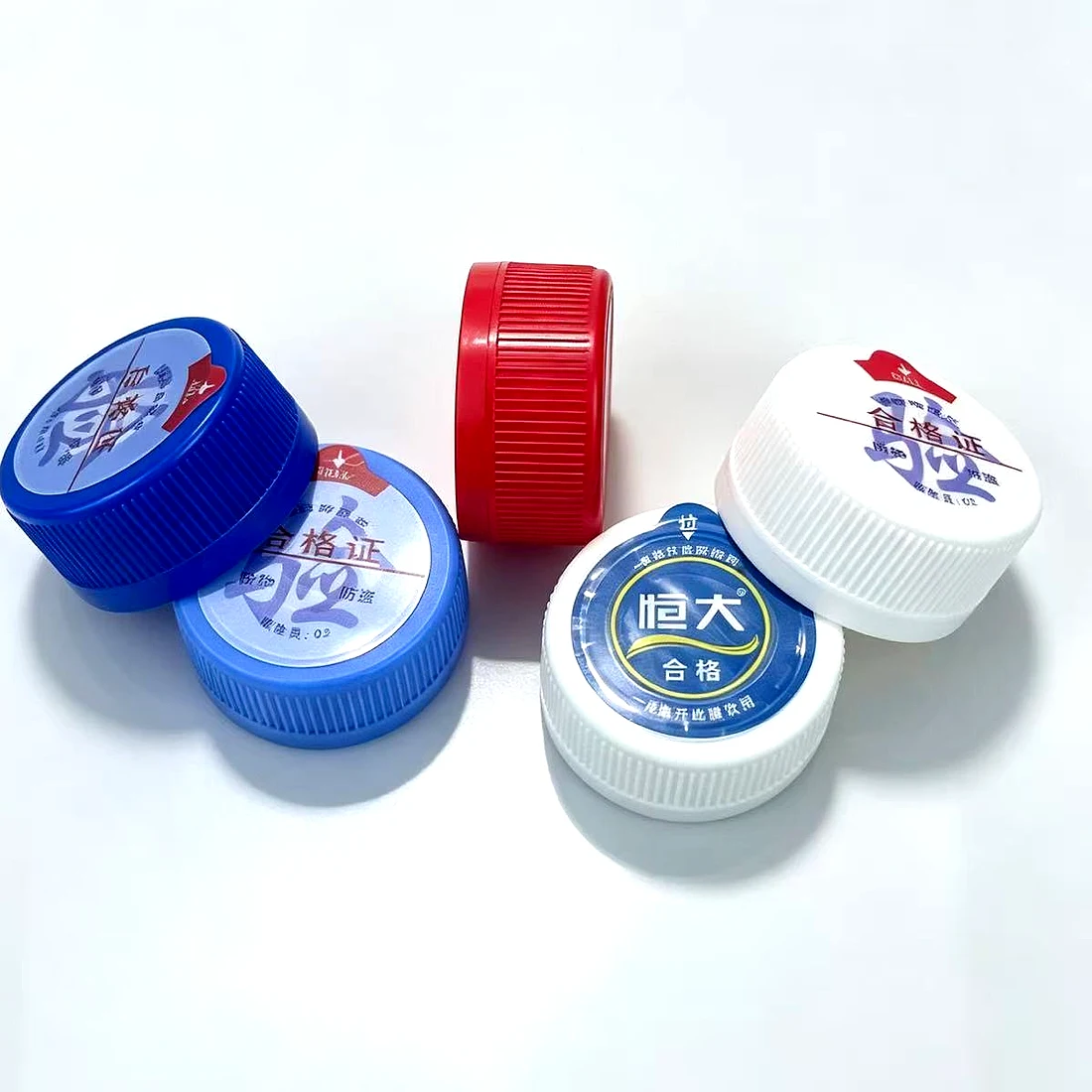
Printed screw caps for beverage bottles

Beverages

Typical hazards: High-speed capping, hot-fill deformation, carbonation pressure

Beverage lines run fast, so application torque and cap geometry have to suit your capper rather than the bench. Tell us the line speed and whether you hot-fill — both change the liner we recommend.

  • 30/25 and 38 mm
  • Line-matched torque
  • Custom printing
  • Liner options
See matching models
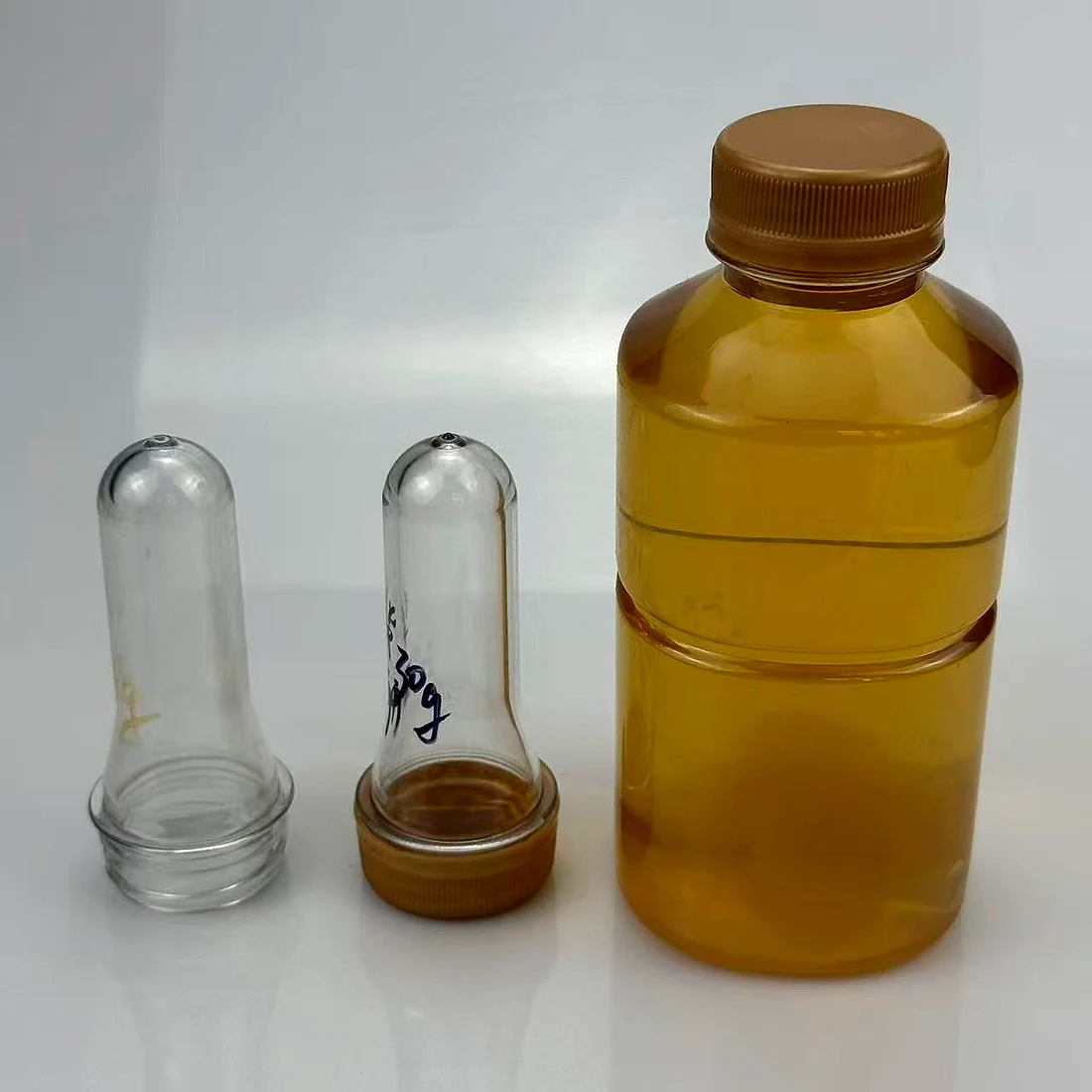
PET preform alongside a filled edible oil bottle and its cap

Edible oil

Typical hazards: Oil creep at the thread, drip after pouring, long shelf life

Oil finds every gap a water cap gets away with. Wide-mouth necks with a sealing liner, plus matching preforms and carry handles for jerrycan formats.

  • 38 mm and jerrycan necks
  • Sealing liner
  • Matching preform
  • Carry handle
See matching models
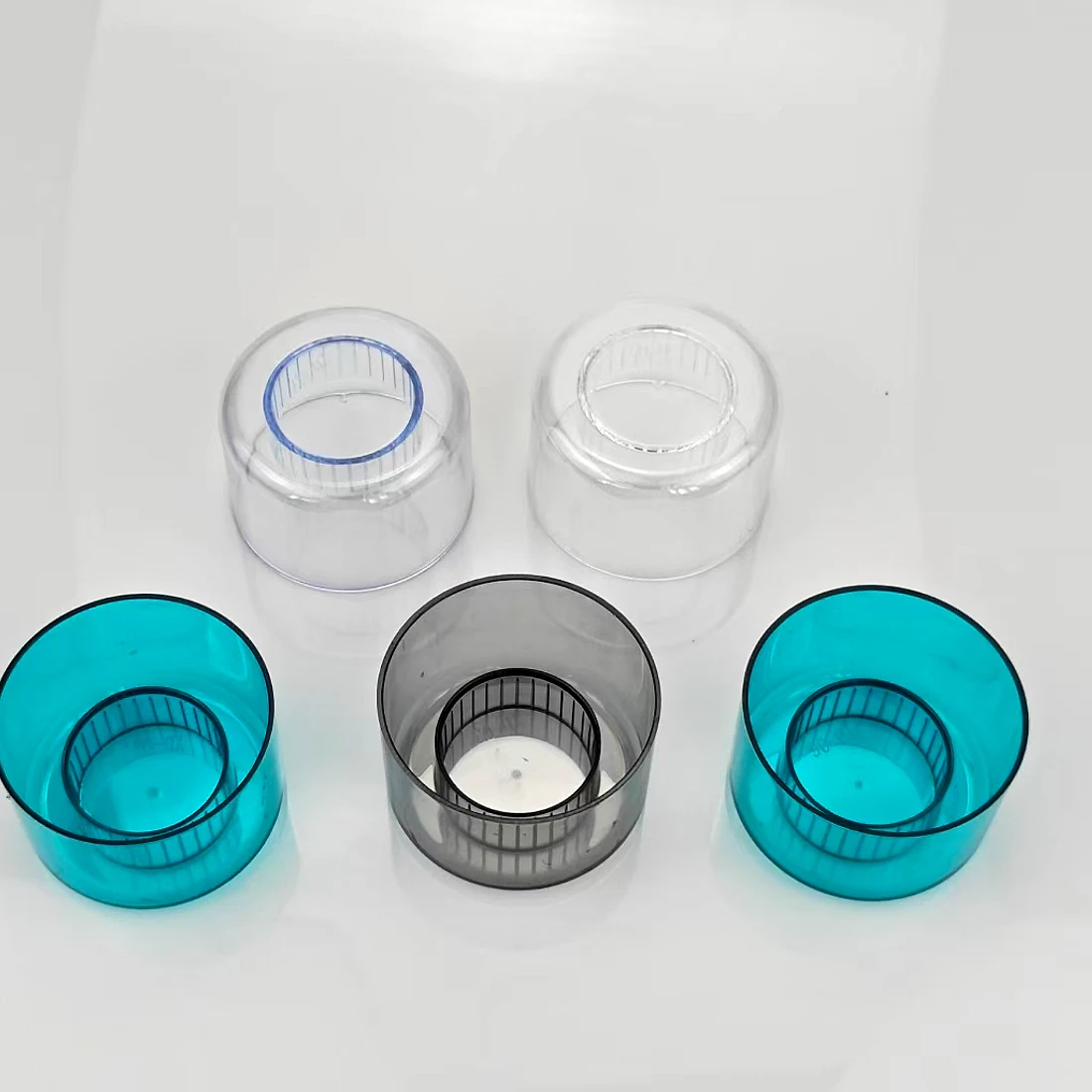
Clear and tinted closures for supplement bottles

Health supplements

Typical hazards: Moisture ingress, pilferage, retail shelf presentation

Supplement packs are judged on the shelf and on the seal. Induction seal liners and desiccant-tube inserts, with clear and tinted over-caps where the pack has to look like a premium product.

  • Induction seal liner
  • Desiccant insert
  • Tamper-evident
  • Clear / tinted caps
See matching models
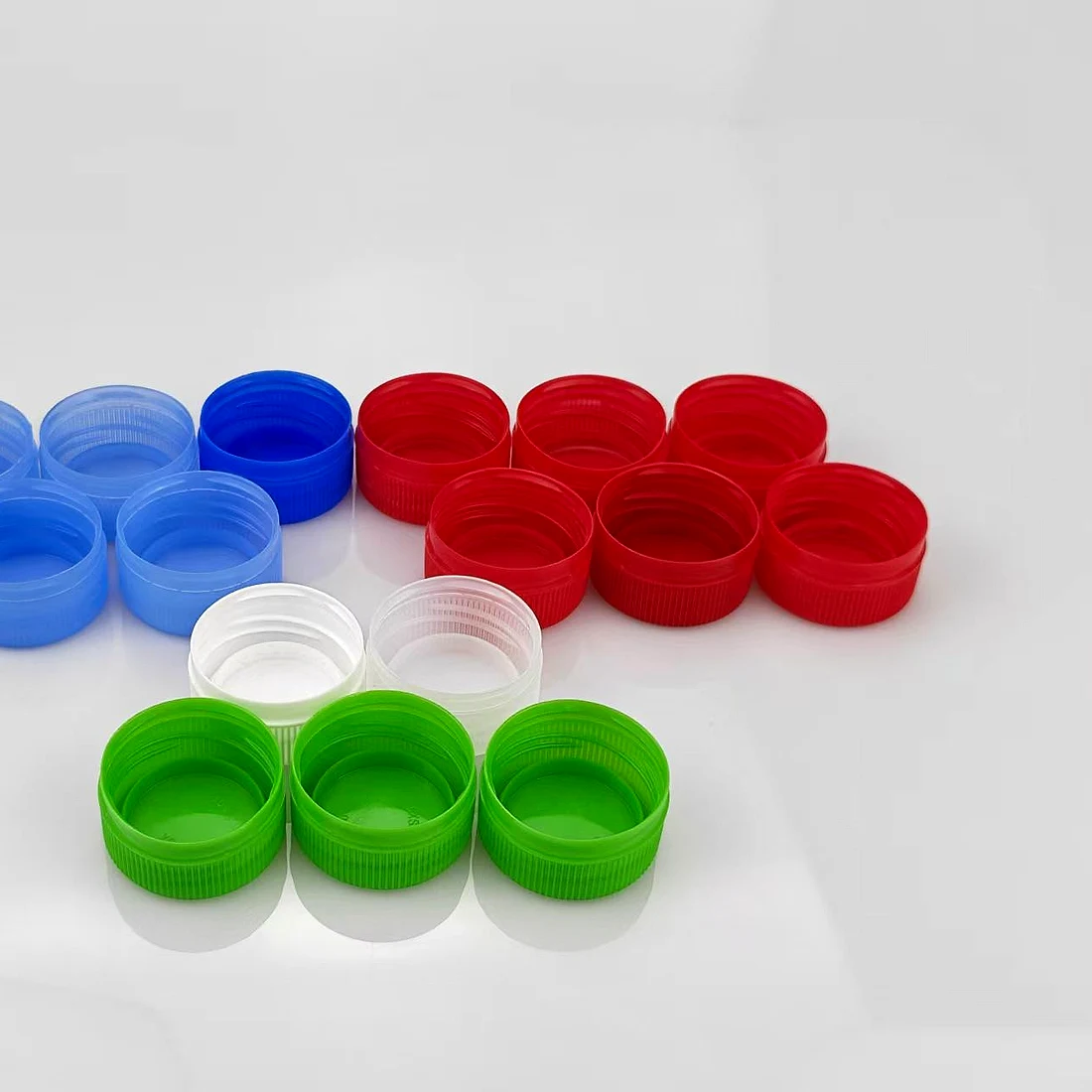
Coloured screw caps for condiment bottles

Condiments & sauces

Typical hazards: Viscous product, repeated opening, staining and odour transfer

A condiment cap gets opened hundreds of times, not once. Grip and a liner that reseals matter more than they do on a water bottle, and food-contact resin has to hold up against acid and oil.

  • Reseal liner
  • Grip ribbing
  • Food-contact resin
  • Colour matching
See matching models

How to specify

Four questions before you pick a closure.

Most cap complaints trace back to a specification decision, not a moulding defect. Working through these four in order avoids the usual mismatches.

  1. Measure the neck, not the bottle

    The outside diameter of the finish and the thread type. Everything else about the bottle is irrelevant to whether our cap fits it.

  2. Say what goes inside

    Still water, carbonated, hot-filled, oil or a dry supplement. This decides the resin, the liner and whether you need a barrier at all.

  3. Tell us about the capper

    Manual, semi-auto or inline at speed. Application torque is set for the line, and a cap specified for a bench will slip on a fast head.

  4. Name the market

    The EU and the US both need food-contact documentation we do not hold yet. Say so early and we will tell you honestly what it takes to close that gap.

Neck size reference

Which necks we already tool, for which application.

NeckWaterBeverageEdible oilSupplementsCondiments
30/25YesYes
38 mmYesYesYesYes
45 mmYesYes
52 / 56 / 60 mmYesYes
55 mmYes
CustomYesYesYesYesYes

A dash means we do not currently tool that combination — not that it cannot be made. The last row is the honest answer to most enquiries: if your neck is not on this list, it becomes a mould conversation rather than a catalogue one.

Send us the bottle

We will map it to a neck size and a model.

Share the neck dimensions, what goes inside and the market you sell into. We will come back with the models that fit and a torque band for your line.

WhatsAppEmail